Why I Attend Home Births
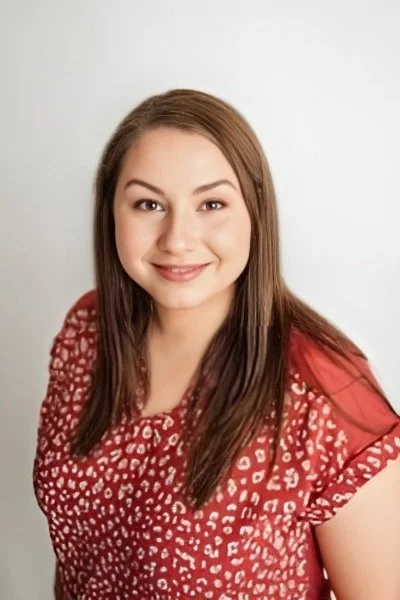
I'm a Certified Nurse-Midwife who has attended births in both hospitals and homes. I attend births at home because the setting shapes labor, and because it lets me build a relationship with a family across an entire pregnancy. For healthy women with low-risk pregnancies who are appropriately screened and cared for by a qualified midwife, planned home birth is a safe option. It isn't the right choice for everyone, and that's okay.
Families ask me some version of the same question at nearly every consultation: is this safe? I trained and practiced as a nurse-midwife in the hospital before I began attending births at home, and that experience shapes how I answer. Here is what led me to home birth, what I tell families who ask about safety, and what I wish more of them knew before choosing where to give birth.
Why I started attending births at home
I've always believed birth works best when families feel safe, heard, and supported.
Working in the hospital gave me invaluable experience caring for women during both normal and high-risk births. It also showed me how much the environment can influence labor. I found myself wanting to spend more time with families, provide more individualized care, and support physiologic birth whenever it was appropriate.
Home birth allows me to build relationships throughout pregnancy and care for families in a setting where they often feel the most comfortable.
What I tell families who ask if home birth is safe
I tell them that, for healthy women with low-risk pregnancies who are appropriately screened and cared for by a qualified midwife, planned home birth is a safe option.
Safety isn't about pretending emergencies never happen. It's about choosing the right clients, recognizing concerns early, carrying the medications and equipment needed to respond to emergencies, and having a clear plan for hospital transfer if additional care is needed.
Home birth isn't the right choice for everyone, and that's okay. My goal is always a healthy mom and a healthy baby.
What I wish more families understood
I wish families knew they have options. Choosing where to give birth isn't just about the location. It's about choosing the model of care that feels right for them.
I encourage families to ask questions, meet with different providers, and learn about all of their options before making a decision. Every family deserves to feel informed, respected, and confident in the care they receive.
Bottom line: Choosing where to give birth is a decision about the model of care a family wants, not only about the location. My encouragement is the same for everyone I meet: ask questions, meet with different providers, and learn about your options before deciding.
▶ How we research and review this content Editorial standards
Every guide on Home Birth Partners is researched against primary sources (federal regulations, peer-reviewed clinical literature, and state-level licensing boards) and reviewed by a credentialed midwife before publication.
We update articles when source data changes, when state laws are revised, or at minimum every 12 months. The "Last reviewed" date in the byline reflects the most recent review.
If you spot an error or have a primary source we should add, email [email protected].